


A Practical Approach To Better Golf With Golf Lessons in Pennsylvania

Golfers across Pennsylvania encounter a wide variety of playing conditions, course designs, and seasonal changes. From recreational players to competitive golfers, each player can have different reasons for seeking professional guidance. Golf lessons in Pennsylvania can provide structured instruction for developing fundamentals, refining technique, improving decision-making, and establishing a more effective practice routine.
Pennsylvania's golf environment also makes adaptability an important part of development. Players may encounter different grass conditions, elevation changes, uneven lies, weather patterns, and course layouts. Learning how to adjust to these variables can help golfers become more prepared for the practical demands of playing different courses.
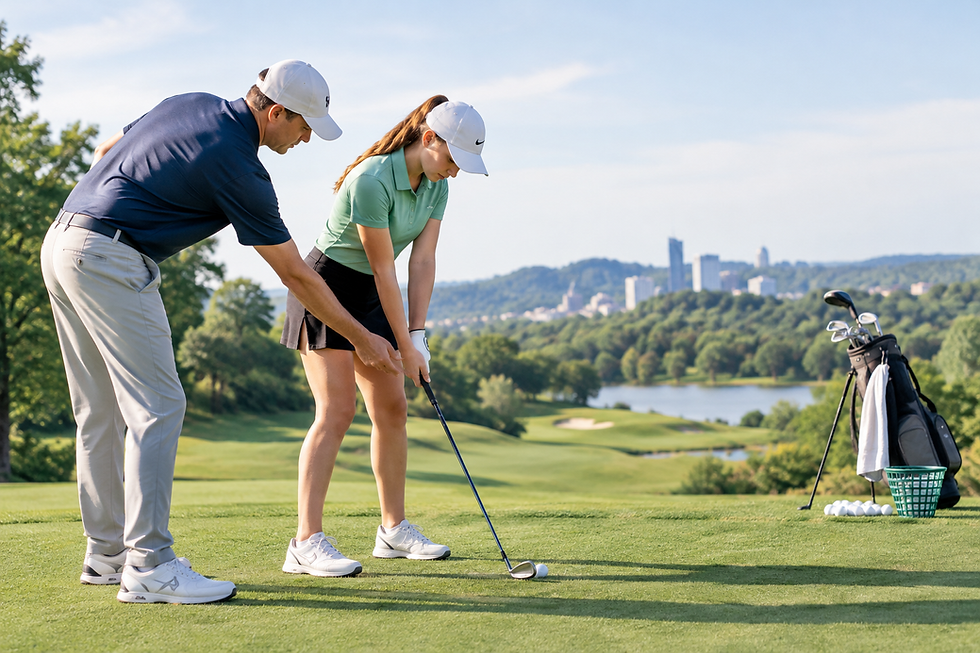
Building A Complete Golf Skill Set
Golf development involves several connected areas rather than one isolated part of the game. A useful instructional programme can address both technical skills and the decisions players make during a round.
Assessing Your Current Game
Before making changes, golfers need to understand where they are losing shots. Some players may struggle primarily with driving accuracy, while others may have difficulty with approach shots, short-game distance control, or putting.
An initial assessment can help establish priorities. This allows instruction to focus on areas that have practical relevance instead of introducing unnecessary technical changes.
Refining Full-Swing Fundamentals
The full swing includes several moving parts, but golfers do not necessarily need to consciously control every movement. Instruction can focus on fundamentals such as setup, balance, sequencing, contact, and clubface awareness.
During golf lessons in Pennsylvania, a coach can evaluate the player's existing movement and determine which adjustments may be appropriate for their ability and goals.
Developing Wedge And Short-Game Control
Distance control becomes increasingly important as golfers get closer to the green. Wedge shots require players to manage trajectory, landing distance, spin, and contact.
Short-game practice can also include different lies and situations. Learning to adapt technique and club selection can help golfers become more versatile around the green.
Understanding Different Course Conditions
Pennsylvania courses can present a range of conditions throughout the year. Temperature, moisture, turf conditions, wind, and course maintenance can all influence how a ball reacts.
Golfers can learn to account for these factors when selecting clubs and planning shots. Course awareness is particularly valuable for players who compete or regularly play different courses.
Improving Course Strategy
A player's score reflects both shot execution and decision-making. Choosing an appropriate target, accounting for hazards, and selecting a sensible club can influence the outcome of a hole.
Instruction can introduce course-management principles that help players think through these decisions before committing to a shot.
Using Practice More Efficiently
Unstructured practice can make it difficult to determine whether a change is actually helping. A better approach is to divide sessions into specific objectives.
For example, a golfer might spend part of a session working on technical movements, followed by random-target practice and short-game drills. This creates a progression from controlled practice towards situations that more closely resemble actual play.
Preparing For Competitive Play
Golfers who participate in tournaments may require additional preparation. Competition introduces pressure, unfamiliar courses, time constraints, and the need to make decisions without constant feedback.
Training can incorporate pre-round preparation, course planning, shot routines, and practice strategies that help players prepare for competitive environments.
Finding An Instruction Style That Fits
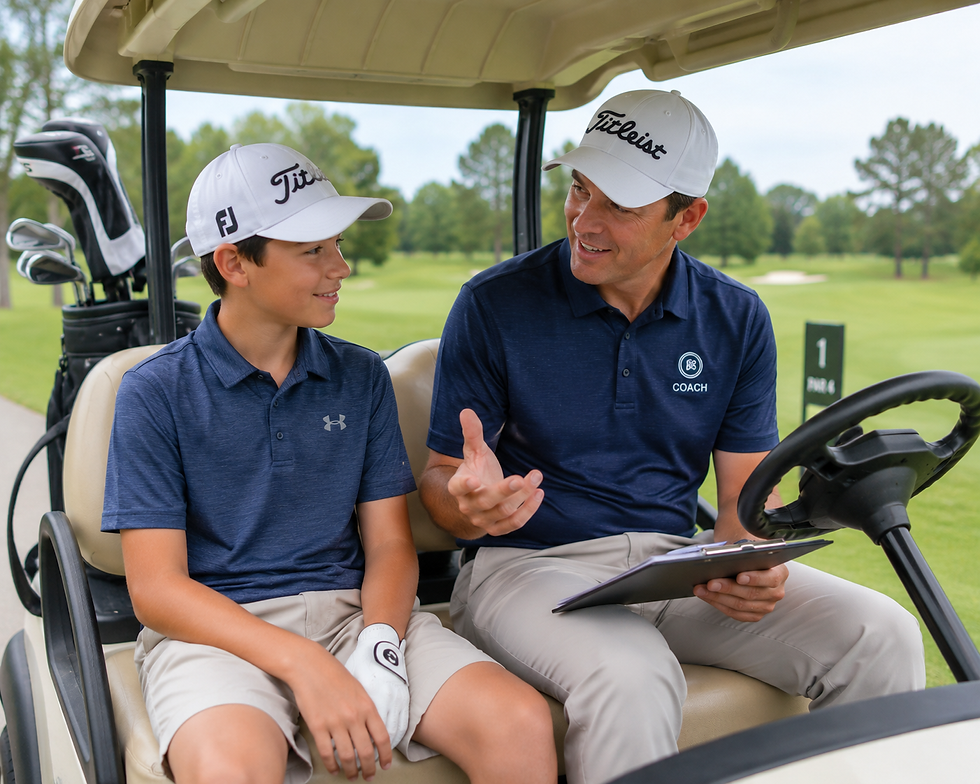
Golfers respond differently to coaching. Some prefer detailed technical explanations, while others learn more effectively through demonstrations and practical drills.
When researching golf lessons in Pennsylvania, players can consider the instructor's teaching style, experience, communication approach, and ability to adapt instruction to different skill levels.
Making Golf Practice More Purposeful
Golf lessons in Pennsylvania can provide a framework for golfers who want to understand their game and develop skills through structured practice. Technical instruction, short-game development, course management, and preparation can all contribute to a more complete approach.
The most useful instruction should connect practice with actual playing situations. By identifying individual priorities and applying lessons consistently, golfers can build a development process that remains relevant as their skills and goals evolve.


Comments